Earn your EASA licence in Europe, with a mentor beside you
Dahabra Aviation guides pilots from the Gulf and the wider Middle East through EASA training at trusted partner flight schools in Hungary and the Czech Republic. Start from zero with an EASA PPL, or convert the FAA licence you already hold.
Flight school is the easy part. Everything around it is where pilots get lost.
Picking a school from abroad, sorting the visa, finding a place to live, understanding the paperwork, budgeting properly. We've been through it, and we walk you through it in your language and your time zone.
The right plan, from home
- An honest chat about your goals and budget
- Matching you with the right partner school
- Medical, visa and study plan sorted early
- Ground study and sim practice before you fly
Someone in your corner
- Regular check-ins while you're training
- Help when you're stuck on a lesson or an exam
- Practical support with life in a new country
- Keeping your progress and costs on track
Licence in hand, what's next
- Skill test preparation and confidence
- Advice on adding ratings later
- Keeping current once you're back home
- A network of pilots who've done it too
Where are you starting from?
Whether you've never touched a yoke or you already fly on an FAA licence, there's a clear route to an EASA licence.
EASA Private Pilot Licence (PPL)
The full licence from your very first lesson. It's recognised across all EASA countries and is the foundation for any further ratings or a professional career.
- At least 45 hours of flight training, including 25 hours with an instructor and 10 hours of supervised solo flying
- Ground school and theory exams in 9 subjects
- An EASA Class 2 medical
- A final skill test with an examiner
FAA (or other ICAO) to EASA conversion
You've done the hard work already. If you hold an FAA licence, or one from another ICAO country, with at least 100 hours as a pilot, you can usually convert it to an EASA PPL without starting over.
- Written exams in just two subjects: Air Law and Human Performance
- The EASA PPL skill test with an examiner
- An EASA Class 2 medical and English proficiency (level 4 or above)
- Refresher flights to get used to European airspace and procedures
Fewer than 100 hours, or aiming for a commercial licence? There's still a route, it just looks different. Use the path finder below or email us and we'll map it out with you. The national aviation authority that issues your licence always has the final say on what credit you get.
Central Europe: proper EASA training, sensible costs
Our partner flight schools are EASA-approved and based in Hungary and the Czech Republic. You get a fully European licence, quieter airspace to learn in, and living costs well below Western Europe.
- EASA PPL training and FAA conversions
- Wide, flat terrain that's friendly for new pilots
- Easy flight connections to the Gulf
- EASA PPL training and FAA conversions
- Varied terrain and weather that build real skills
- Strong general aviation culture

Diamond DA20
A modern two-seat trainer with a big bubble canopy and great visibility. Light on the controls and very forgiving for first lessons.
Photo: Gomera-b, Wikimedia Commons, CC BY-SA 3.0. Shown for illustration.

Cessna 172
The world's most popular training aircraft. Stable, roomy and the plane most pilots remember their first solo in. Pictured at Jakabszállás, Hungary.
Photo: GT1976, Wikimedia Commons, CC BY-SA 4.0.

Piper PA-28
A low-wing four-seater that's ideal for cross-country flying and night training once you're ready to go further. Pictured at Strakonice, Czech Republic.
Photo: Peter Bakema, Wikimedia Commons, GFDL 1.2.
These are the kinds of aircraft you'll typically train on. Exact fleets vary by school. We share full school details, prices and dates directly with each pilot. Email bashar@dahabra.com and we'll send you everything.
See your route in ten seconds
Answer two quick questions and we'll show you the usual steps. It's a starting point, not a quote. We'll build your real plan together.
From first email to first solo
Say hello
Email us with your experience and goals. No forms, no pressure.
Get your plan
We map out your route, the school that fits, timing and a realistic budget.
Prepare at home
Medical, visa and ground study, plus sim practice so you arrive ahead of the curve.
Fly in Europe
Train with our partner school while we stay with you all the way to your skill test.
Built in our own sim lab
We fly X-Plane 12 and Microsoft Flight Simulator 2024 on real hardware, and we build our own tools to make home practice feel like the real cockpit. Our students use the same setup to rehearse procedures before they fly.
AZ Flight Center
One control hub for a home cockpit. It brings X-Plane 12 and MSFS 2024 together with real switch, radio and multi panels, yokes, throttles and tablet instrument displays, so you can swap between aircraft on the same desk without rewiring everything.
- Works with X-Plane 12 and MSFS 2024
- Drives physical panels, yokes, pedals and throttle quadrants
- Turns spare tablets into instrument and chart screens
- Quick switching between single-engine, twins and more
FIP ADS-B Radar
A live traffic radar that runs on a Flight Instrument Panel (FIP), the small hardware screen that sits in your sim panel. It shows nearby aircraft the way an in-cockpit traffic display would, so you build real traffic awareness while you practise.
- Traffic shown right on your cockpit hardware
- Callsign, altitude and direction of travel for each target
- Adjustable range for the airport or the en-route picture
- Built for training traffic scanning habits
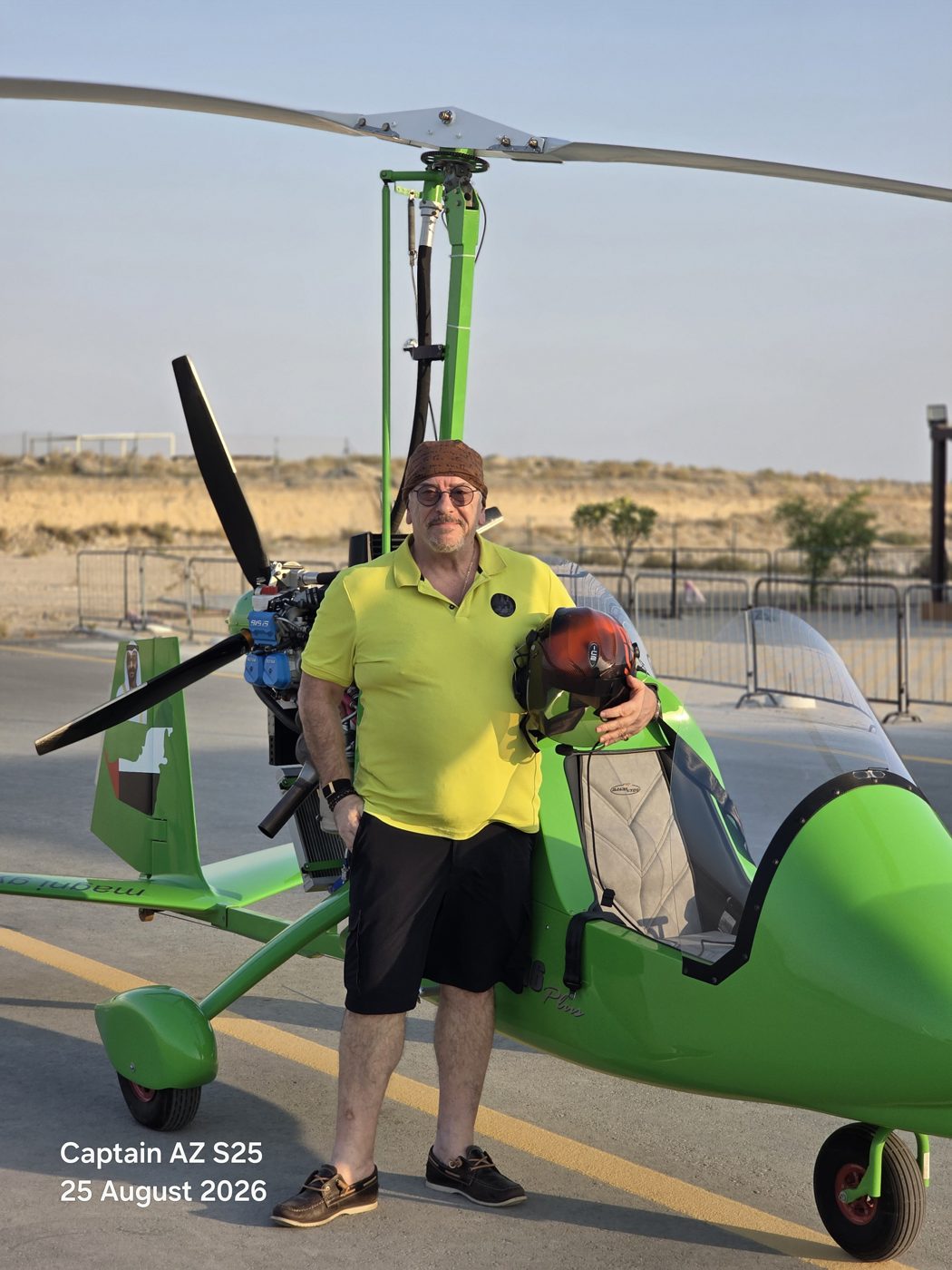 With the Magni gyroplane, UAE, 2026
Bashar Dahabra: a lifetime in the air
I started flying gliders in Amman with the Royal Jordanian Gliding Club, where I won the club's first soaring competition. Since then I've flown gliders in Canada, floatplanes on lakes, single-engine aircraft on instruments, light sport aircraft and gyroplanes in the UAE, and a lot in between.
I founded Dahabra Aviation because I know how it feels to chase a licence far from home. Pilots from the Middle East deserve someone who understands them, has done the training themselves, and will stay with them from the first email to the day they hold their licence.
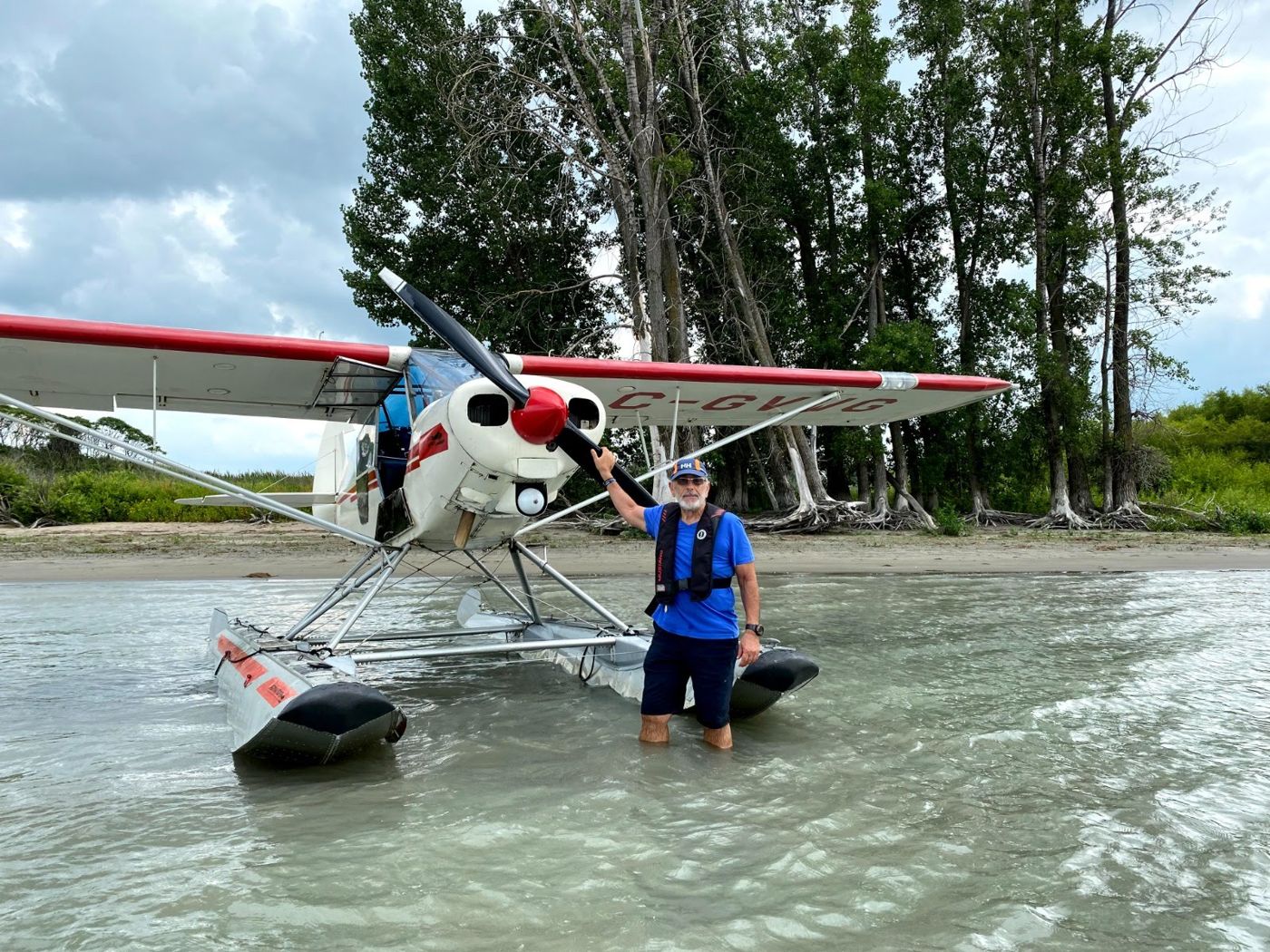
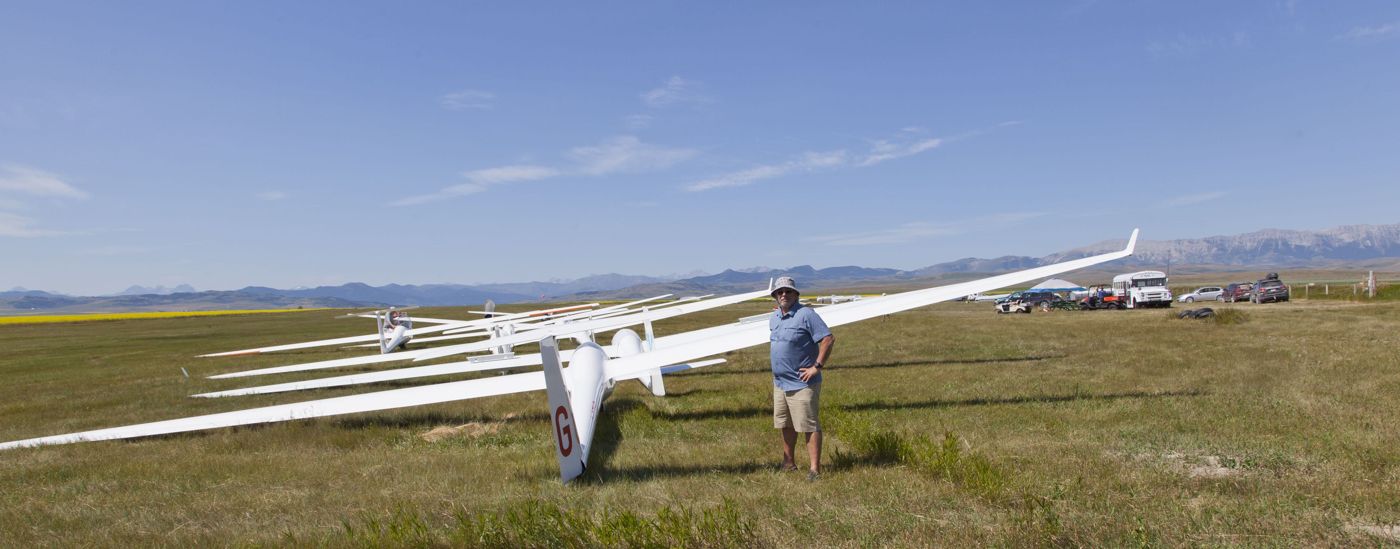
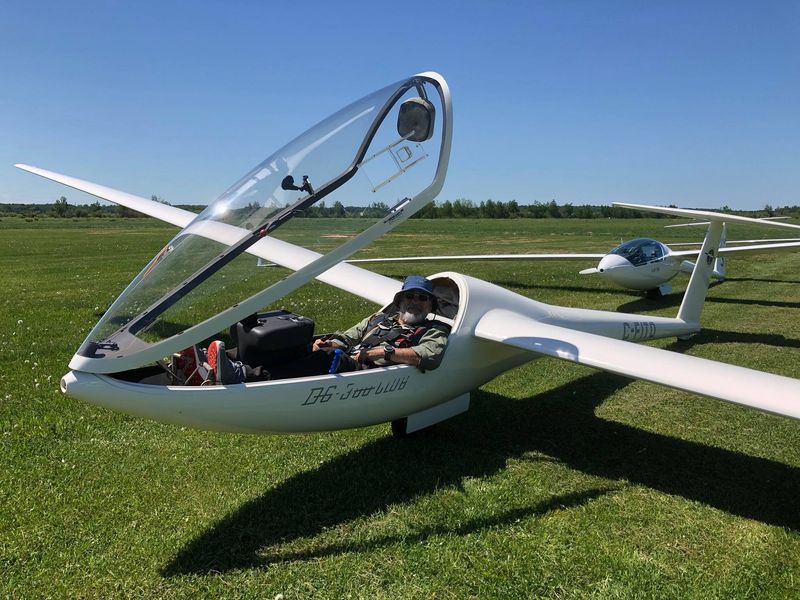
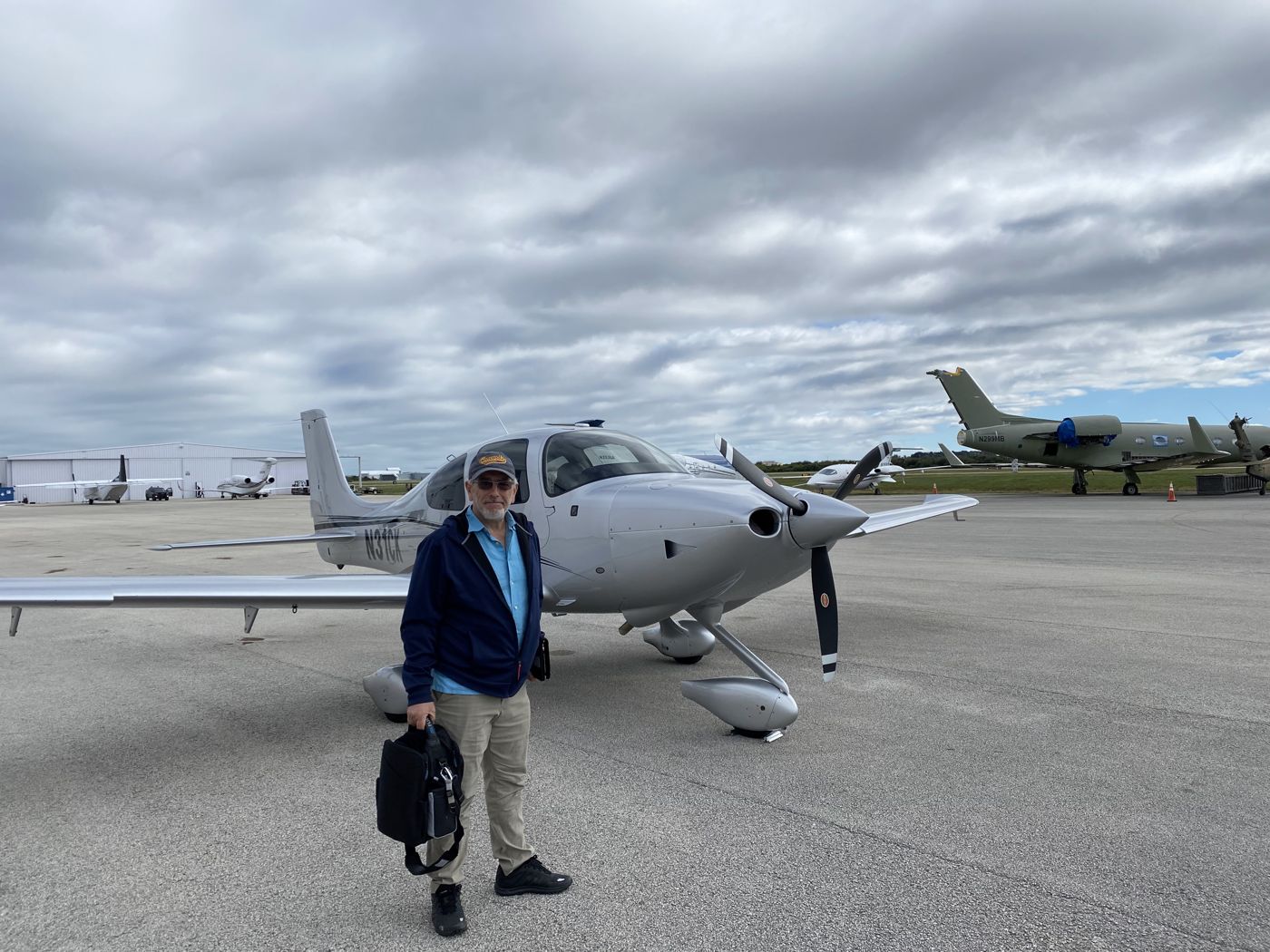
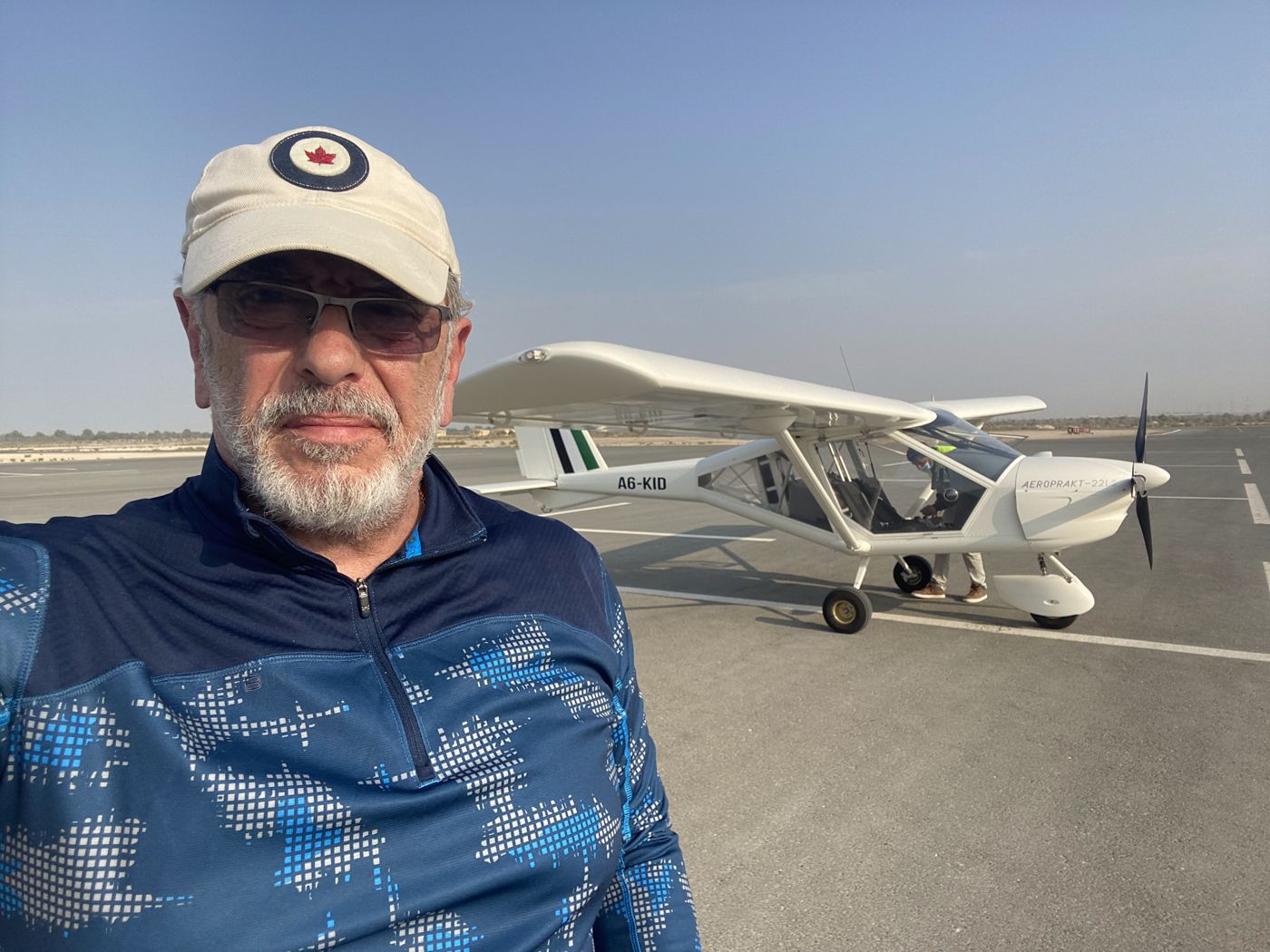
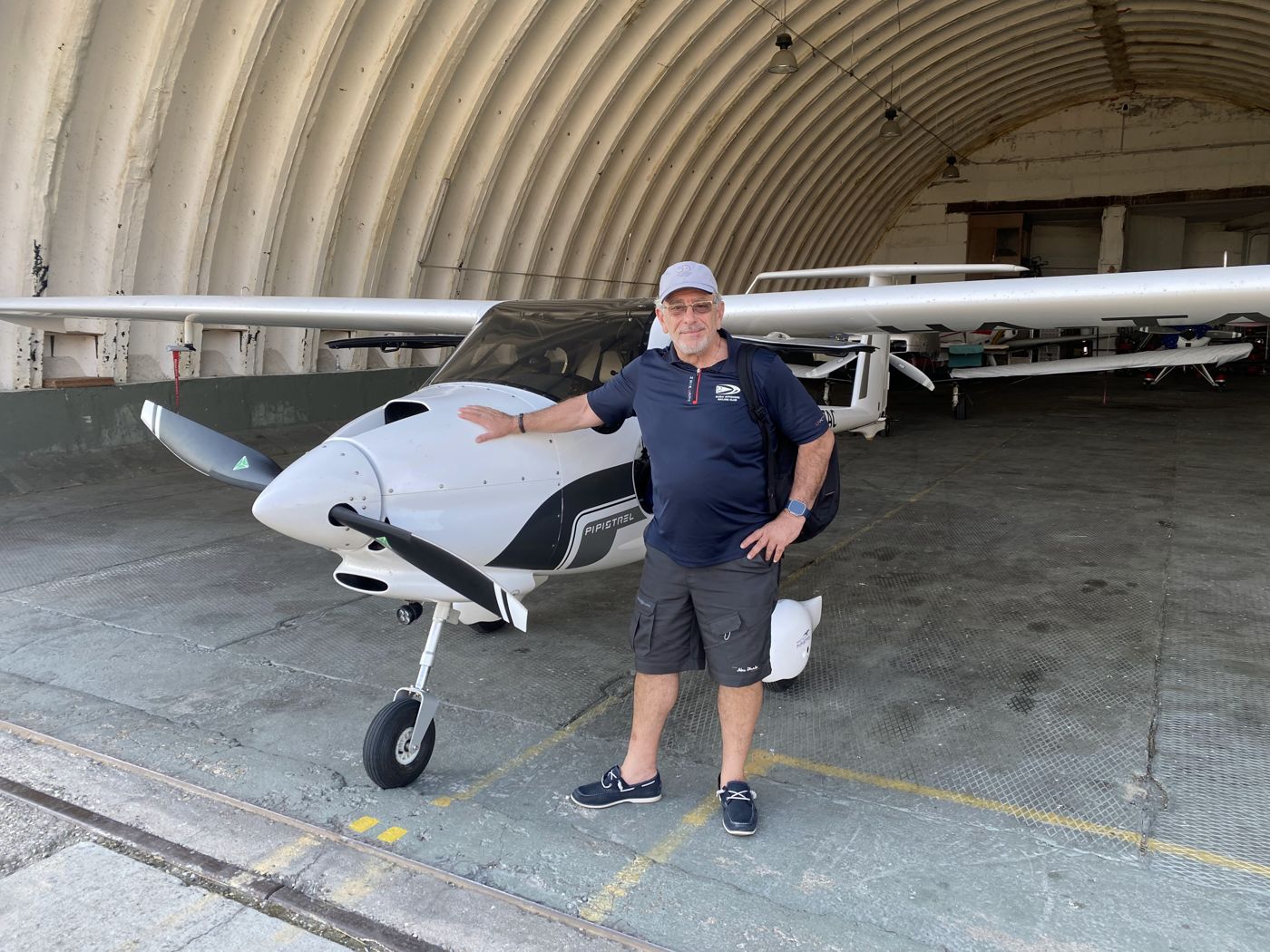
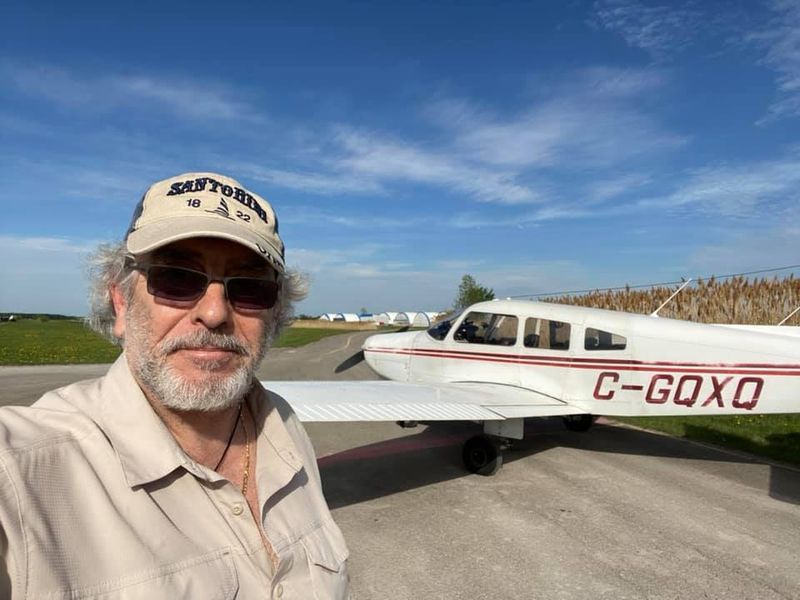
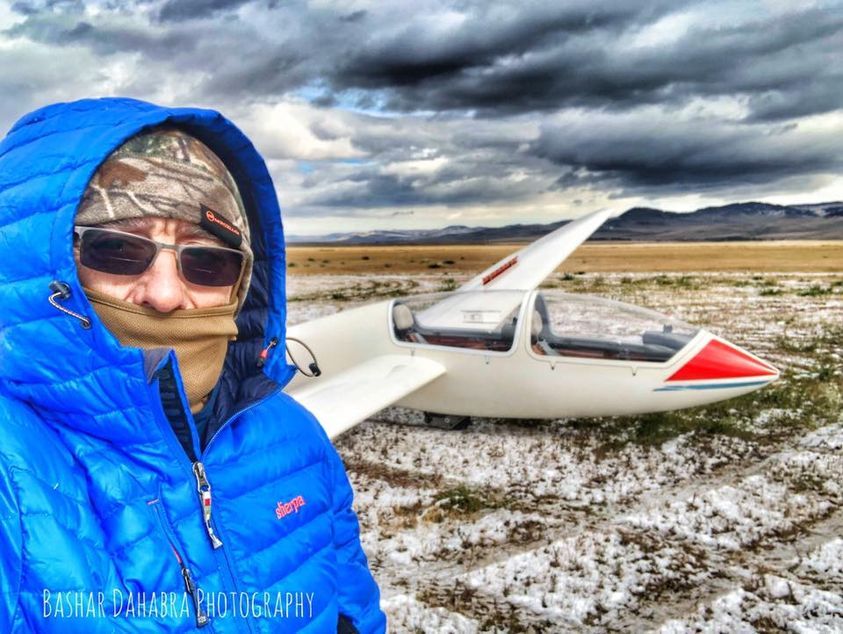
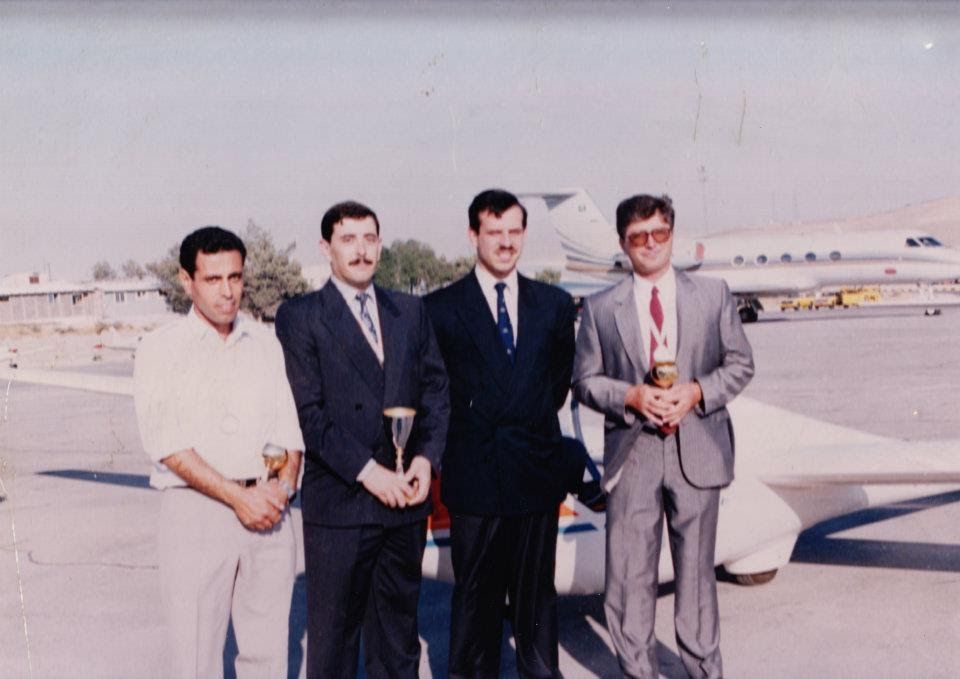
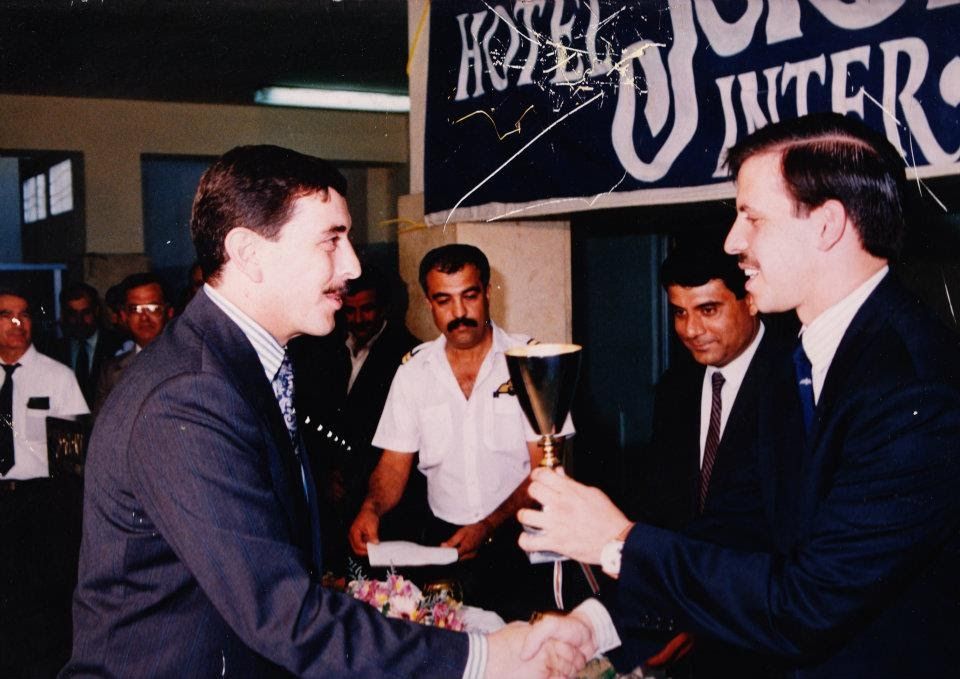
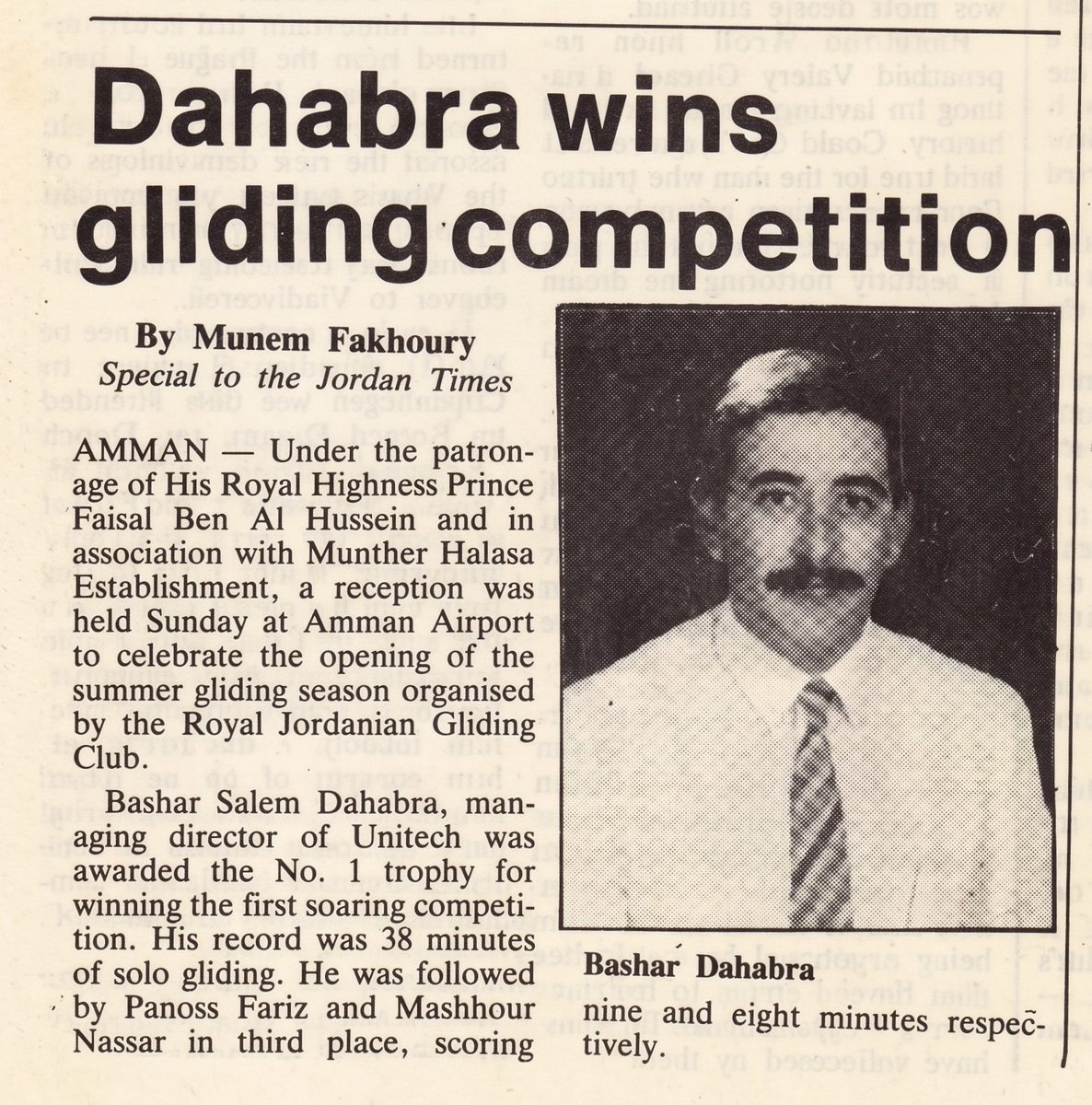
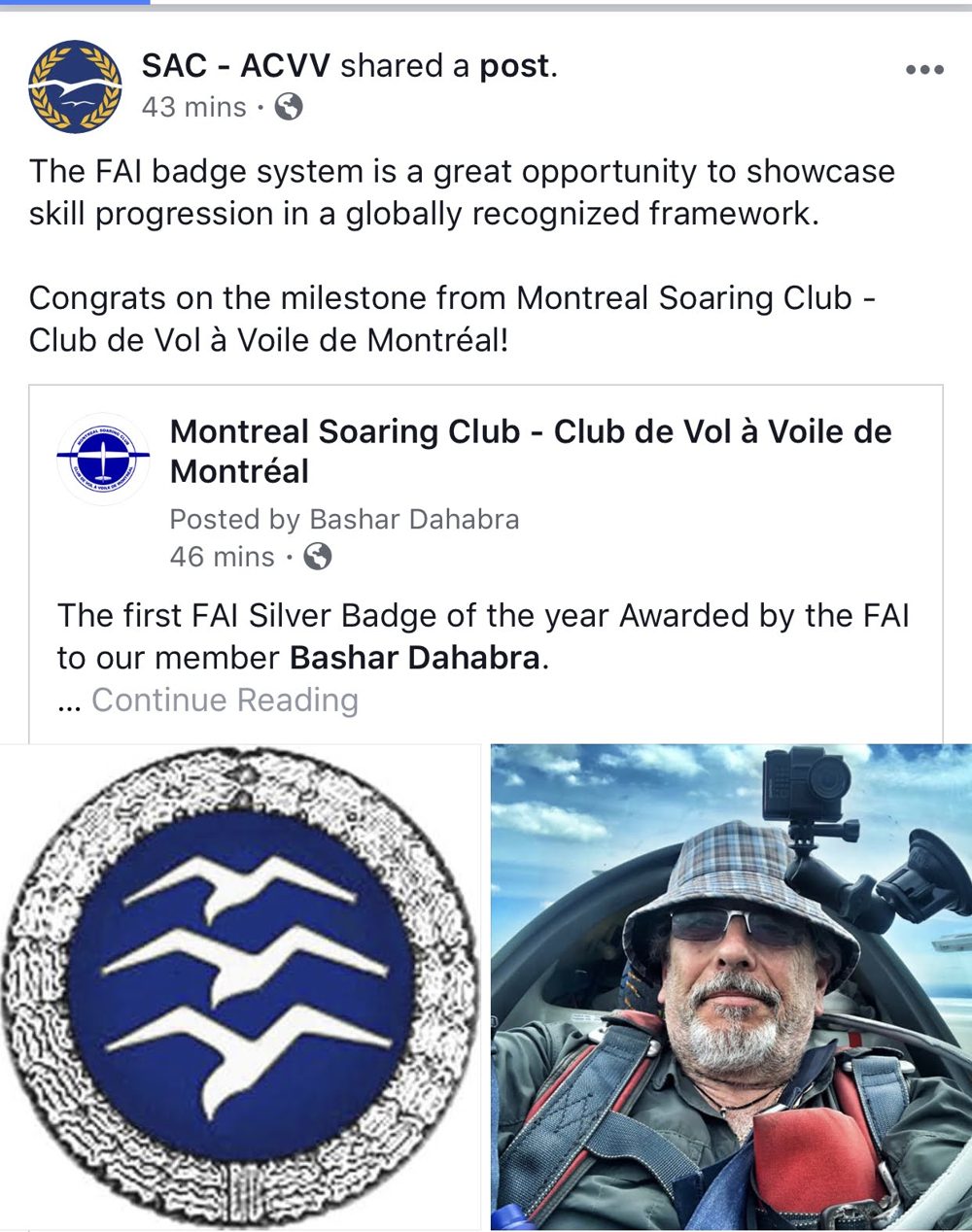
Amman, the opening of the summer gliding season. Winning the Royal Jordanian Gliding Club's first soaring competition started a passion that has lasted decades and taken me across three continents, all the way to an FAI Silver Badge flying with the Montreal Soaring Club.
Frequently asked questions
Why get an EASA licence instead of an FAA one?
An EASA licence lets you fly aircraft registered across all EASA countries, and it's widely respected around the world. If your future plans include Europe, or you simply want a licence built on European standards, EASA is a strong choice.
Why train in Hungary or the Czech Republic?
You get exactly the same EASA licence as you would in Germany or France, but training and living costs are usually lower and the airspace is less crowded, which means more learning per hour.
Do I need a visa?
Both countries are in the Schengen area, so many Middle East passport holders need a Schengen visa or a longer-stay permit for training. The right one depends on your nationality and how long you'll stay. We help you work out which applies and when to apply.
How good does my English need to be?
Training and radio communication are in English. To hold the licence you'll need to show English proficiency at ICAO level 4 or above. If you're not there yet, we'll suggest how to prepare before you travel.
How long does it take?
It depends on the weather, how often you can fly and how quickly you study. A focused full-time PPL student is often done in a few months. Conversions are usually much quicker. We'll give you a realistic timeline in your plan.
Can I convert my FAA licence if I have fewer than 100 hours?
The straightforward conversion needs at least 100 hours as a pilot. With fewer hours you'd usually do EASA training with some credit for what you've already flown. Email us your logbook totals and we'll tell you the best route.
How much does it cost?
Costs depend on your starting point, the school, the aircraft and your pace. Rather than guess, we send every pilot a personal breakdown. Just email us your situation.
Let's plan your licence
Tell us a little about yourself and we'll reply personally with your route, school details and costs.
bashar@dahabra.comBased in Dubai · Replies in English or Arabic